


Morlan Medical
Web Log
The Use of Homeopathy During the 1918 Spanish Flu
From Wikipedia, the free encyclopedia
Homeopathy or homoeopathy is a pseudoscientific[a] system of alternative medicine. It was conceived in 1796 by the German physician Samuel Hahnemann. Its practitioners, called homeopaths or homeopathic physicians,[5] believe that a substance that causes symptoms of a disease in healthy people can cure similar symptoms in sick people; this doctrine is called similia similibus curentur, or "like cures like".[6]
Homeopathic preparations are termed remedies and are made using homeopathic dilution. In this process, the selected substance is repeatedly diluted until the final product is indistinguishable from the diluent. Often not even a single molecule of the original substance can be expected to remain in the product.[7] Between each dilution homeopaths may hit and/or shake the product, claiming this makes the diluent "remember" the original substance after its removal. Practitioners claim that such preparations, upon oral intake, can treat or cure disease.[8] All relevant scientific knowledge about physics, chemistry, biochemistry and biology contradicts homeopathy.[b] Homeopathic remedies are typically biochemically inert, and have no effect on any known disease.[9][17][18] Homeopathy's theory of disease, centered around principles Hahnemann termed miasms, is inconsistent with subsequent identification of viruses and bacteria as causes of disease. Clinical trials have been conducted and generally demonstrated no objective effect from homeopathic preparations.[19][20][21]: 206 [22] The fundamental implausibility of homeopathy as well as a lack of demonstrable effectiveness has led to it being characterized within the scientific and medical communities as quackery and fraud.[2][23][24]
“…In the 21st century, a series of meta-analyses have shown that the therapeutic claims of homeopathy lack scientific justification. As a result, national and international bodies have recommended the withdrawal of government funding for homeopathy in healthcare. National bodies from Australia, the United Kingdom, Switzerland and France, as well as the European Academies' Science Advisory Council and the Russian Academy of Sciences have all concluded that homeopathy is ineffective, and recommended against the practice receiving any further funding.[25][26][27][28] The National Health Service in England no longer provides funding for homeopathic remedies and asked the Department of Health to add homeopathic remedies to the list of forbidden prescription items.[29][30][31] France removed funding in 2021,[32][33] while Spain has also announced moves to ban homeopathy and other pseudotherapies from health centers.[34]
https://en.wikipedia.org/wiki/Homeopathy (Accessed: 10/2026)
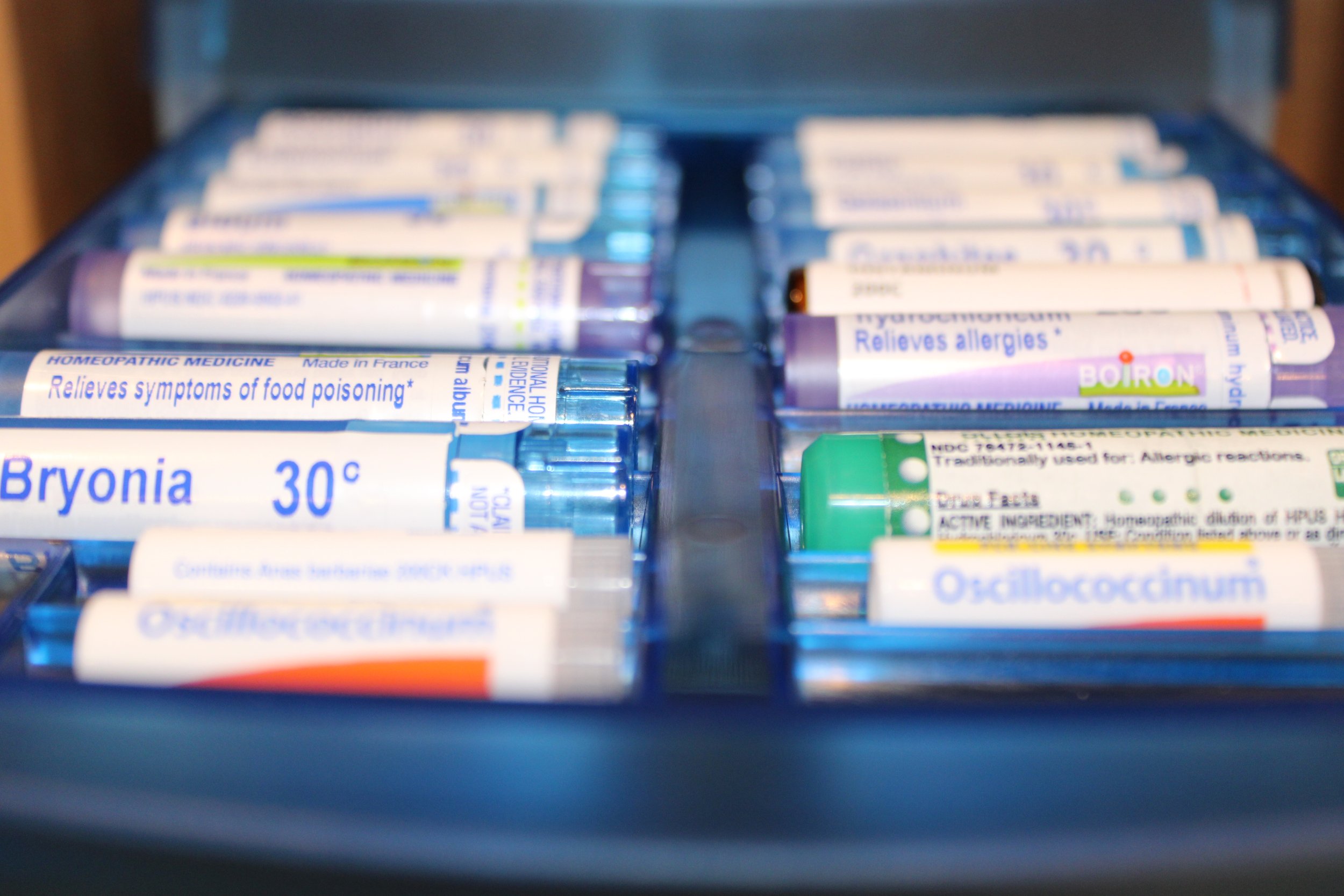
From Homeopathy in Epidemics: From Cholera to 1918 Spanish Flu (Part 2)
“…Homeopathy in the 1918 Pandemic
Similar to the cholera epidemic, homeopathic physicians achieved significant success in treating the flu pandemic as compared to their academic colleagues; and in this case, also , their merits were ignored or underestimated. The interesting fact that emerged from their experiences was the extraordinary agreement both in the use of medicine and in the statistics reported and published in the journals of the time—a low mortality rate of 2.1-5% in the case of homeopathy against 40-60% in the case of conventional therapies. Unfortunately, the censorship of the military institutions, because of the war, did not allow homeopathic doctors of the European countries to disseminate and publish data about the Spanish flu. This is the main reason why we have no significant reports from Italy and the other belligerent countries. In those years, the main Italian homeopathic journals ceased publication, and the number of homeopathic doctors gradually decreased in the 1930s. With the exception of A. Nebel “…”, only Spanish (in Europe) and American homeopaths have left us evidence of the work done…”
“…The American Experience
The experience of American homeopaths was much richer and more significant and was widely documented in the “Journal of the American Institute of Homeopathy.” This is confirmed by the article written by Dr. A. Dewey, who collected the case histories of 50 American homeopaths; their clinical experiences showed an amazing concordance in the percentages of cured cases (90-79%) and in the remedies used (similar to the Spanish homeopaths but were administered on more cases).
Another interesting fact, confirmed by all American homeopaths, was the observation of the suspected adverse effects of aspirin— the drug recommended by the health authorities. The megadoses, recommended by the US Minister of War (from 8- 31 gr/day), resulted in the aggravation of the sick, evolving toward hemorrhagic pneumonia in already seriously compromised subjects. These effects may be due to the then-unknown powerful anticoagulant effect. According to Dr. A. Williams (Rhode Island), aspirin caused death in 60% of patients who developed pneumonia.
In Philadelphia, Dr. Dean W. Pearson Collected 26,795 cases treated by various homeopaths, which had much lower mortality of 1.05% compared with 30% of allopaths. Also, in Philadelphia, Dr. E. F. Sappington reported that 1,500 patients were treated at the District of Columbia Society of Homeopathic Medicine with only 15 deaths, while 100% recovery was achieved at the National Homeopathic Hospital.
In New York, the International Homeopathic Association also reported relevant statistics—17,000 patients (with many cases of pneumonia) with a mortality of 0.25%. Another famous homeopath, Herbert A. Roberts, sent a questionnaire to 30 homeopaths in Connecticut; the answers revealed that 6,602 patients were treated, and only 55 deaths (1%) were reported. He himself, embarked at the time on a merchant fleet, treated 81 patients homeopathically—all were healed and regularly disembarked. Dr. Frank Wieland of Chicago successfully treated, using Gelsemium, 8,000 factory workers, recording only one death.
Dr. Mary Senseman (Illinois) treated 49 bedridden subjects (immobile, congested, complaining, unwilling, or asking for anything) with Bryonia 10M and 23 others (with sticky nose and mouth mucus) with Senega 1M-10M.
Dr. T. McCann (Ohio) treated over 1,000 cases without any death, using four remedies: Gelsemium, Bryonia, Eupatorium and Arsenicum…”
OBM Integrative and Complementary Medicine 2021; 6(4), doi:10.21926/obm.icm.2104045
Why I No Longer Offer IV Therapy at Morlan Medical
Patients ask me this question and I find it easier to address through a blog post. It’s pretty straight-forward. I really like intravenous therapy (IV therapy) and IV therapy was one of my favorite modalities early on in my career. It’s one of the more invasive therapies provided by naturopathic doctors; however, the benefits are immediately delivered and felt by patients. Over the last 10 years or so, IV therapy or hydration therapy has become a treatment intervention offered at strip malls, medical spas and even house-calls. Needless to say it has become fashionable or in-vogue. I appreciate the use of nutrition to facilitate healing in the body. IV therapy recipients are able to choose from a menu of IV formulas that may or may not address their needs. The challenges with offering a medical intervention, offered in a fast-food ordering style, are multifaceted.
First, the choice of the constituents in the formula are not all the same. This means that the medically indicated form of the nutrient may not be used in the formula being administered. For instance, three forms of Vitamin B12 as cyanocobalamin vs. hydroxycobalamin vs. methylcobalamin. While all forms have their use in medicine, patients may respond differently depending on the form used in the formula and why the chosen form is being used for the condition being treated. A thorough patient intake, via establishing care, would allow a physician to assess and determine the best form of a particular nutrient for administration.
Second, use of preservatives in the nutrients being administered has always been a concern of mine. When initially puncturing any vial of a nutrient, whether vitamin C, glutathione or B12 for use in a formula, there is a safety limit of how long a nutrient can be used before it must be discarded. Many vials have preservatives to prolong shelf life. I always opted for nutrients with, preferably, no preservative as this is beneficial to patients. As a result, a vial without a preservative has to be discarded 4 hours after the initial use. Many times, only a small amount of a vial of nutrient would be used for 1 or 2 patients and would be discarded. This ended up being a net loss for the clinic.
Lastly, diet and nutrient therapy, medical biochemistry and the physiology of nutrient metabolism is only considered in a general sense by these fly-by-night IV lounges and hydration treatment centers. More often than not, your formula is premade (preservatives and all) as a “stock” formula and some “add-ons” are thrown in the IV bag for varying additional charges. Many of the strip mall or franchise entities that offer IV therapy are staffed with mid-level practitioners who understand very little, if any at all, of the medical biochemistry, pharmacokinetics of the nutrients being administered. Also, what about patient’s diet, lifestyle, sleep, nutrition, exercise, hydration etc, all factors when evaluating what formulation is best indicated for a patient?
At the end of the day, it’s difficult to communicate any of the above (and more) to current patients, non-patients and future patients about what goes into nutritional IV therapy as a naturopathic physician. It’s for these reasons the IV therapy program at Morlan Medical has been discontinued.
“America is the least effective with healthcare outcomes, of all the developed countries in the world, while spending the most on healthcare.” -Secretary Brooke Rollins, United States Department of Agriculture
What’s wrong?

RICH IN HISTORY
Stemming from modern hydrotherapy treatments that originated in Europe, the constitutional hydrotherapy treatment was developed and perfected by a naturopathic physician, Dr. O.G. Carroll (1879-1962). Dr. Carroll was the “the busiest health practitioner of any persuasion in the United States in the 1930’s and 1940’s” and his practice centered around this treatment that he had perfected by 1923 and which did not change for the next 40 years. Fortunately, the practice and principles of constitutional hydrotherapy have been preserved for this current generation of naturopathic physicians through the subsequent work of Drs. John Bastyr, Harold Dick, Leo Scott and Bill Carroll.
GOALS AND PRINCIPLES OF THE TREATMENT
One of the principles of naturopathic constitutional hydrotherapy is that health (and healing) is proportional to the normal flow of healthy blood, specifically referring to both the quantity and the quality of blood flowing through a given tissue. The treatment goal is to normalize the quantity of blood circulating through a given area or tissue during a given period of time, as well as to improve the overall quality of blood in the general circulation.
Medicine has long recognized the mechanical effects of water temperature on blood flow (e.g. that hot water will relax a tight muscle or that cold, as in the form of an ice pack, can limit swelling and inflammation in a tissue area). Naturopathic constitutional hydrotherapy further expounds upon these principles, and while utilizing these basic mechanical effects to influence the quantity of blood flowing through a given tissue, also seeks to improve the quality of the blood circulating. This is accomplished in the treatment by enhancing blood flow through the organs of elimination (skin, liver, lungs, kidneys, colon) and subsequently deriving improved blood quality through the increased elimination of metabolic waste products. Concomitant treatment, aimed at tonifying the organs of digestion and improving the process of digestion and absorption of nutrients into the blood, help to build up desirable blood elements such as oxygen, nutrients, optimize blood and immune cell populations, etc., further improving overall blood quality.
Viewing the blood as the vehicle conveying life to all cells (oxygen, nutrients, etc.), naturopathic constitutional hydrotherapy manipulates the circulation in order to maximize the benefits of this process for overall health and healing. It enhances the immune response, improves overall nutrition, promotes detoxification and helps restore nervous equilibrium. Naturopathic constitutional hydrotherapy works because it helps to optimize the quality of blood, while improving the efficiency of its circulation.
INTRODUCTION TO THE TREATMENT PROCEDURE
Constitutional hydrotherapy is a fairly complex treatment and the treatment mechanics can only be mastered through repeated, supervised practice. Six important treatment variables that the naturopathic physician manipulates, within the context of the application applied to the body, in order to accomplish the treatment goal include temperature, timing (duration, frequency, hour of the day), location, pressure or friction, material used to cover the compress, and wetness.
The ability to adjust these treatment variables appropriately to individual patient, in order to best accomplish the treatment goal, is the art of the treatment application.
The basic procedure is a series of hot and cold compresses applied to the chest, abdomen and back in conjunction with mild sine wave or other mild electrical stimulation to the back and abdomen. The procedure takes approximately one hour, depending upon the individual being treated. A treatment protocol generally consists of a series of individual treatments, specifically designed for that individual, that are adjusted as necessary, as their healing progresses.
INDICATIONS
Because of its ability to improve the overall nutrition of the individual and boost the immunity, constitutional hydrotherapy may be useful in almost any condition. However, it has been found to be particularly suited to digestive tract problems (dyspepsia, Crohn’s disease, irritable bowel syndrome, ulcerative colitis), respiratory problems (chronic asthma, bronchitis, pleurisy), infectious disease (colds, flu, lymphangitis), female reproductive problems (PMS, dysmenorrhea, infertility), immune deficiency problems (environmental hypersensitivity), circulatory problems (varicose veins, hemorrhoids, Raynaud’s disease, mild hypertension) and other ailments such as arthritis, diabetes, depression, obesity and psoriasis.
Resources
(1) Boyle N.D., Wade and Saine N.D., Andre. Lectures in Naturopathic Hydrotherapy. 1988. Eclectic Medical Publications. Sandy, OR.
(2) Groven N.D., Mark
(3) Watrous N.D., Letitia
Naturopathic Constitutional hydrotherapy
Transparency in healthcare quite often manifests as a fleecing of the insured by one’s medical insurance company or health-share organization. Imagine submitting insurance premiums for a model of delayed care, with little immediacy, except those conditions qualified as emergency medicine. A conventional standard of care model, clinical assessment and treatment interventions, often dictated by an insurance company or best-practices algorithm, perhaps requiring unnecessary testing protocols and the time involved with dictation of care (When’s the last time your physician ordered vitamin D on your lab panel without being prompted to do so? This is elementary). This weighed with now-expected wait-times from the health care system. Needless to say, insurance reimbursement of naturopathic doctors is dwarfed by that of conventional medicine reimbursement schedules, often for the exact same reimbursement codes used by conventional medicine (I previously contracted with insurance for 6 years). Morlan Medical is transparent with any/all prices at the time of service. All appointments are timely, as we can often accommodate same-day appointments. In addition, Morlan Medical provides individualized care. Who’s treating THE CAUSE of your medical complaints?
Transparency in healthcare
Am I considering renewing my “healthcare” plan/policy? Costs of healthcare plans for a family of four are projected to raise to ~$20,000+ per year. What’s my deductible? Is that deductible for the plan or for each individual covered by the plan? What is covered under that high-dollar premium? Dental? Vision? Maxillofacial surgery? So, what’s my co-pay for each visit? What will my insurance not cover that the chosen policy originally stated the policy would cover? Does my insurance cover preventive medicine? Do I get to choose my doctor OR am I limited to what is available at my local medical clinic? Is the physician that I am choosing to see in-network OR are they out-of-network? Is the doctor that I choose to trust with my care able to handle more than 1 complaint per visit? A second visit, perhaps a third visit? Are all prescribed medications covered under my policy? Does my policy cover nutritional supplementation? Does my plan cover naturopathic medicine? Can I designate a naturopathic doctor as my primary care physician under my current or renewed plan? Will my current policy cover the imaging/labs/prescriptions/referrals ordered by a naturopathic doctor? Oh, I can’t use my HSA although it’s my money? Am I healthier now than I was at this time last year?

Are you tired yet?
There’s a medication for that. Can you experience adrenal fatigue? There’s a medication for that. Sleepy? There’s a medication for that. Undermedicated? There’s definitely a medication for that. Tired of hearing that there’s a medication for that? Well, there’s a medication for that. Not feeling heard by your healthcare provider? There’s probably a medication for that. Pain? There’s gobs and gobs of medications for that. Overweight? There’s medication for that. Underweight? There’s probably some medication for that. Using google searches for self diagnosis? There’s a medication for that. Still having continued medical complaints that are ineffectively addressed or resolved because the cause isn’t being treated? Medication for that. Don’t much care for the font and bold text being used for this web log? Medication. Is your current medication being administered alone? You may need medication to keep your current medication company. Sound hauntingly familiar? Are you tired yet?
Do you not feel informed or empowered with the clinical/medical decisions that are somewhat being made by you/not by you? Does your medical professional take the time to understandably explain the what and why a medical intervention is being applied in your case? Did you know that the definition of doctor is teacher, see here? Are your latest lab values normal? Normal for any human or for you specifically? What’s an RBC, WBC and basophil? ALT/AST? What vitamin and mineral catalyzes these reactions? Why should you care? When was your last annual physical exam? Does your insurance company share your best health interests? Does your insurance reimburse or cover preventive medicine? What is being tested for when submitting blood for a blood draw? Is it representative of the whole picture? Does diet have anything to do with health? Does sleep quality affect health? How about hydration, is consuming clean water important for overall health? Does nutritional density matter when making food choices? What about supplements, do you have supplement deficiencies? Are all supplements the same? Do you poop at least once per day? What does poop have to do with this line of questions? Is all of this wonderfully wearable technology good for my body?
Does pharmacology or modern-day scientific approaches to improve health consist of utilizing molecules of substances originally found in nature, isolated, concentrated and put into capsules or tablets, with a known or unknown mechanism of action? Are most pharmacological substances originally derived from plant or natural sources or are they all synthetic? Why don’t the “prestigious” medical journals publish the vast quantities of high-quality research and clinical studies on the effectiveness of botanical medicines and nutritional medicine as medical intervention? Why are there volumes of medical research regarding botanical and nutritional interventions to promote targeted health outcomes of which conventional medicine remains unawares? Why are conventional and naturopathic doctors branding themselves “integrative” or “functional?”
Is there research behind using plants as medicine and nutrition to address health problems? Exercise, do you? What treats scurvy? Vitamin C. How about Beri-beri? Vitamin B1. What does prevention have to do with longevity and quality of life? Do you have blind spots when it comes to your personal health? Is your medical caregiver humble enough to communicate or refer when “all” interventions have been exhausted? How can you make the most of your time on earth when it comes to your health? Do you ever wonder what a preventive approach to your health looks like? How much does a personalized approach differ from those around you? Are you your own unique biochemical laboratory? Can you incorporate the latest and greatest fad diet and improve your quality of life and realize that you’ve made a relatively simple health condition exponentially worse? All doctors are the same. Are all doctors the same? Have you ever wondered why the mere mention of naturopaths or naturopathic medicine is never or often not mentioned in mainstream health after 100+ years or is ridiculed/ostracized or completely dismissed? What’s money have to do with it? Are there bigger profits in symptomatic treatment?
Is medicine a one size fits all approach?

My perspective regarding Presence on Social Media
I have better things to do. People/patients wonder why I don’t have social media. How much time do you give to screens each day? Given my chosen profession, I have to interface with technology for medical research, communication, scheduling etc. Too much meaning is lost in context when using social media platforms, in my opinion. I willfully choose not to participate in the surveillance state as much as I am able. I advertise by word of mouth, brochures, Morlan Medical Marketing Team, The Mountain Trader and the A-frame in front of Morlan Medical. Outside of what I am providing as a service to the public, my opinion matters very little to those outside of family and friends. Social media is the infinite time consumer that gives very little back in the way of quality of life; however, it is always there to irreversibly consume time. Sell your couch on marketplace. Good. Reconnect with aunt Edna. Great. I understand the purpose it may serve some people, but my time is worth more to me. I choose to engage more with the real world than a virtual world. At the end of the day my perspective about presence on social media is… It’s NOT healthy and I’m in the field of improving health. This includes my own.

THE SECURITY OF MEDICAL INFORMATION
Medical information is protected by the Healthcare Information Portability and Accountability Act (HIPAA). This act defines what constitutes patient privacy and is enforced by strict laws. Essentially, any interaction between a medical professional and their patient is not accessible, with exception of a patient record request or in the case of law enforcement. Corporate healthcare systems and many, many private clinics use an Electronic Health Record (EHR) to input patient information, office visits, diagnosis codes, medications, lab results, physical exam findings and assessments.
I am of the opinion that the data (information) input into EHR is not safe or secure. For instance, a local healthcare entity has suffered a data breach that exposed patient private data, including patient Social Security numbers, addresses and diagnosis/treatment codes. The same entity reported a breach of patient’s medical information in 2019. Another instance of patient data being compromised is a not-for-profit entity in the state of Washington on July 15, 2022. The point is that security breaches can happen to any healthcare entity/facility/individual.
I am pleased to be using paper charts in my practice. This includes physical intake forms, office encounter forms, referral forms and prescriptions. I do this for several reasons. First, patient privacy and security. Second, I am better able to engage with patients using pen and paper during office visits. Third, accessibility to patient information can only come from one point. In addition, I’m glad that I am able to offer this service to my patients. Privacy has differing definitions to different people.
Insights into Men’s Health
Hey, guess what? Men’s health is not just testosterone assessment and management. So many “medical” clinics are great at marketing the “if you aren’t feeling like yourself, you are male, you have decreased testosterone production” approach.
As with most of my approaches to patient-care, I begin with foundational health. Diet is our interaction with the outside world. We are composed of the substances that we consume. Eating clean (organic, non-GMO etc.) and drinking pure water are of paramount importance when trying to optimize bodily function. Many pesticides, herbicides and other chemicals impede our body’s metabolic ability to function properly Foods treated with petrochemicals affect nutrient absorption, energy production, gastrointestinal health and healthy elimination.
Exercise is essential to move the lymphatic fluid to support immune health, circulation of blood, elimination, nutrient absorption and support of mental health. My male patients present with a variety of health concerns including fatigue, muscle loss, stomach or digestive challenges, low libido, stress, insomnia/sleeplessness and others. I order labs consistent with the patient’s chief complaints. Since this article is about men’s health, I’ll give you an idea of some of the herbs that I use to treat/support men’s health including, saw palmetto berry, ashwaghanda root, puncture vine root and fruit, stinging nettle root, epimedium, tribulis and more. I incorporate intermittent fasting and selective use of ketogenic diets intermittently pulsed to optimize the body’s metabolism. I use supportive supplements including vitamin D, high-dose fish oil, high-potency probiotics, zinc etc. I speak with my patients about processed sugar intake due to processed sugar being in nearly every processed food. Alcohol is the most processed sugar on the planet. Sleep and sleep hygiene are discussed at length.
Anyway, as with all patients, the approach to care and treatment is individualized. Maybe some questions to ask yourself when looking for a physician or perhaps asking your physician about their approach are: Is my doctor ordering labs that cover the spectrum of biochemical reactions pertaining to my complaint? Better, does my doctor know the biochemistry pertaining to my complaint? What does, diet, lifestyle, sleep, nutrition and exercise have to do with and how does it affect my overall health and health complaints? I hope so. If not, you should consider finding a competent naturopathic doctor.


Elevating Digestion and Gut Health
The topic of digestion is indeed expansive and challenging to discuss in the parameters of a web blog, though I will undertake the challenge. Digestion is the act of intaking edible substances, processing, absorbing, metabolizing and elimination. The mouth, esophagus, stomach, small and large intestines, rectum and anus comprise the digestive tract, though these are not the only organ systems involved in digestion. Digestion begins at the thought, smell, feel or taste of food. This is why people should cook at home. Home-cooked food is more nutritious and engaging with food before eating will facilitate improved digestion.
Digestion and absorption of food is best accomplished when the body is in a parasympathetic (rest and digest) state, involving the nervous system. Nervine (relaxing) herbs that help with digestion via helping the body to relax are: chamomile, passionflower, milky oats, California poppy, lemon balm, catnip, American skullcap and others. Our digestive health is affected by food quality, nutrient density, food quantity, presence of pesticides/herbicides, soil quality and potentially genetically modified organisms (GMOs). Lifestyle and exercise also affect digestion.
The American College of Sports Medicine recommends 300 minutes of exercise each week of moderate exercise or 150 minutes of cardio-intensive exercise each week depending on your physical fitness. Regular exercise supports digestion by moving food through the body and encourages timely elimination. In addition, exercise encourages: increased circulation and blood flow, transport of oxygen and nutrients to cells, tissues and organs, removal of inflammatory cell messengers and increasing peristalsis and absorption.
Supplements may aid in digestion including bitters and digestive enzymes. I use digestive bitters in clinical practice to assist the body’s digestive cascade of enzymes. Bitters assist the body to prepare and digest food more thoroughly when other digestive modalities are followed. Digestive enzymes such as amylase, lipase and protease, ox bile, etc. may also assist the body with digestion. I prefer to support and remind the body how to perform an action, rather than use a substance to do the work for the body. A good probiotic can benefit digestion and is a regular recommendation for patients.
Adequate purified water consumption is a big part of a healthy digestive tract. Water is a fundamental part of the body and hydration allows the body to function optimally. These are some ways to improve the health of the digestive tract.

Decrease Day to Day Stress
1. Deep Breathing Exercises-Even if you are only able to spare 15 minutes/day, morning/evening/night, getting out of “fight or flight” mode allows you to better digest, increase the functionality of the immune system, gain more restful sleep, moderate stressful situations as you encounter them during the day. Target Breaths Per Minute after deep breathing is 4.
2. Meyers Cocktail or Magnesium Push-Both are intravenous pushes to allow you to get a healthy dose of magnesium. Magnesium is a mineral in the human body responsible for 600+ known biochemical reactions. The Standard American Diet (SAD) is missing this important mineral, essential to helping the body relax and destress. These mineral deficiencies persist even in healthy diets.
3. Glycine (AA), L-Theanine (phytocompound) and Gamma Amino Butyric Acid or GABA (Neurotransmitter)-These supplements have a net relaxing effect on the central nervous and musculoskeletal systems. “Rest and Digest” as opposed to “Fight or Flight.” These products are sold in varying doses and forms (capsules, powders etc.) Some people taking these “relaxants” have been known to experience the Opposite Effect.
4. Disconnect from wireless and all electronics-Our brains secrete dopamine (neurotransmitter) as a response to hearing or seeing messages received via electronics. In particular, dopamine can have a stimulating OR relaxing effect on the body. Find a time at night where you can eliminate being reached by others (if you are able) by email, text, phone call, social media etc. Stick to the time each night, unless extraneous circumstances arise.
5. Sleep-The average adult needs approximately 7-9 hours of sleep each evening to function adequately (physically, mentally, emotionally and socially) each day. Blue and White light from ALL electronic screens decrease melatonin production and secretion, which then allows for less restorative sleep. Cellular and Wi-Fi signals are great for disrupting the bodies circadian rhythms, including sleep. Try to keep little to no electronics in the bedroom and unplug all modem/routers at night. Turn your phones on to airplane mode at night so that no signal is sent or received.
6. Herbs-Four herbs that I like for relaxing, also known for their nervine (relaxing) properties, include: Piper methyisticum (kava), Chamomila spp. (chamomile), Valeriana officianlis (valerian root) and Passiflora incarnata (passionflower).

Shining Light on Vitamin D
Are you getting enough Vitamin D in your life? Historically, the human diet contained modest amounts of vitamin D content, with exception of some fresh and saltwater fish. It has been suggested that people who are exposed to adequate amounts of sunlight do not require a dietary source of the vitamin. There is no question of whether to supplement with vitamin D when sun exposure is inadequate. Severe deficiency of vitamin D may present as softening of bone and muscle weakness. Other signs and symptoms can include chronic low back pain, diffuse aches and pains and chronic fatigue.
Besides the prevention of disease, what is the function of vitamin D in the body? Vitamin D(1,25[OH]2D) is the biologically active form and is responsible for a myriad of biological functions. These functions include enhancing the intestinal absorption of calcium and phosphorus, the promoting of bone mineralization and remodeling and function of muscles. In addition, vitamin D may help prevent infections and autoimmune diseases through a process called immunomodulation. One other important function of vitamin D is that it appears to enhance the secretion and action of insulin, helping to better control blood sugar.
Vitamin D, like vitamins A, E and K, are all fat-soluble vitamins. This means that it may accumulate in tissues and produce toxic effects after prolonged administration of larger doses. There is much discussion and debate regarding whether an oral capsule or liquid of vitamin D is better absorbed; however, it is known that absorption of vitamin D increases if it is ingested with a meal containing fat or oils, such as avocado, butter or olive oils because of its fat solubility. It’s important to take a vitamin D supplement (and all supplements) that is sourced with quality ingredients and in a form that delivers the most bioavailability (D3) to the body. You may think you are receiving an adequate dose with supplementation; however, it is best to have your blood drawn and evaluated by your physician, or better still, a naturopathic physician.
What are some natural sources of vitamin D? Quality food sources of vitamin D include cod liver oil, oily fish such as salmon, mackerel and sardines. Many milks, orange juice, breakfast cereals and breads are fortified with vitamin D; however, they may not be fortified with the natural occurring vitamin D (D3,cholecalciferol) and, instead, may contain vitamin D2 (ergocalciferol) and synthetic form that may not be as effectively metabolized in the human body. Sunlight exposure may be the best method of obtaining vitamin D for many people. Sun exposure, without the use of sunscreen, of the arms and legs or the hands, arms and face to sunlight for 5-15 minutes 2-3 times a week between 10am-3pm during the spring, summer and fall is usually adequate, though this may not always hold true across the Northwest. It is recommended that after 5-15 minutes of sun exposure, application of a sunscreen with a sun protection factor (SPF) of at least 15.
What is Nutritional Intravenous (IV) Therapy and What are the Benefits
A Concise Overview

While most of us think of IVs as something that people receive when dehydrated or being hospitalized, nutritional IV therapy has been used for decades to deliver nutrients to the body that cannot be achieved by oral supplementation. IV therapy is used to administer fluids for dehydration, medicine and nutrients. Today IVs are administered in hospitals, clinics, mobile IV clinics, private practices and at-home visits. Naturopathic medicine has utilized IV therapy for treatment of a variety of conditions to assist the patient in their healing. IV therapy is a minimally invasive and safe therapy that delivers therapeutic doses of vitamins and minerals to patients. One of the many benefits allows the nutrients to be administered directly to the blood. This route of administration avoids the digestive tract where nutrient absorption differs between individuals.
One of the more common nutritional IVs administered to patients is a “Meyer’s Cocktail” or “Meyer’s Push.” This formula is composed of magnesium, calcium, vitamins B1, B2, B3, B5, B6 and B12, Vitamin C and sterile water. The Meyer’s cocktail supports patients in the treatment of a variety of conditions including: asthma, migraines, chronic fatigue syndrome, fibromyalgia, depression, cardiovascular disease, upper respiratory infections, seasonal allergies, hyperthyroidism and may increase athletic performance, according to Dr. Alan Gaby, MD. Receiving a Meyer’s Cocktail IV takes approximately 20-30 minutes and will work in the patient’s body for a day and up to one week from administration of a single IV.
The Meyer’s formula can be used to boost the immune system that can be attributed to the vitamin C content. For example, the antiviral effect of Vitamin C can be obtained through the IV dose, though may not obtainable through oral dosing. Patients are encouraged to seek treatment if they feel they may be getting sick or are currently not feeling well. This treatment will often help to reduce the incidence of getting sick or decrease the duration and severity of the sickness. A second application of the Meyer’s Cocktail is for skeletal and smooth muscle relaxation. Patients seek this treatment in times of stress for the purpose of relaxation, due to the magnesium content of the IV. Patients experience an added benefit of immune support from the vitamin C.
In conclusion, there are many different formulations for the applications of IV therapy. Many of the supplements that we consume orally have an injectable form that may be significantly more effective when administered intravenously. For some IVs, laboratory tests may be required and the patient evaluated by a physician before undergoing therapy. Not all nutritional IVs are able to be administered in short periods of time. For example, high-dose vitamin C must be done over the course of an hour, depending on the dose. An NAD IV, for sports performance and enhancement of mitochondrial function, may take up to an hour to administer. IV therapy is a great way to stay healthy as a supplemental treatment to your health care or as a stand-alone treatment to enhance normal metabolic function of the body, in addition to being employed for preventive health.
Why Patients Trust Me with Their Health


I practice from a perspective of providing the body with the correct nutrition, diet and lifestyle components to optimize metabolic function that is unique to you. Treatment interventions recommended for someone else may not work for you. As a basis for health, it is often and mistakenly perceived that to be healthy one needs to make revolutionary changes in food choice and exercise; or that the road to improved health will be long and arduous. Some of the internal self-talk that surrounds the premise of improving one’s health, getting in shape, becoming a better version of oneself, losing weight etc. are some of the biggest roadblocks that disallow us from taking that first step to better our health.
The details of how better health may be accomplished and practiced by someone is not as simple as 2+2. Human beings are living, breathing, emotional, dynamic, spiritual and are affected by their environment in a variety of ways. As a physician, I empower people to aspire to better health, by using tools that will assist them now and for years to come. One major tool that I employ to reach patients includes teaching the patient what is occurring in their body. Most patients want to better understand what change is occurring in their body and how to change or sustain it. I’ll often draw a picture or review some simple biochemistry to illustrate to patients, so that they may better understand a treatment recommendation.
I treat the person and address the cause of dis-ease. I help patients with optimizing their metabolism to encourage weight loss, decrease stress, minimize fatigue, optimize immune function and facilitate restorative sleeping patterns. It’s remarkable the changes that take place in patients’ well-being when the right nutritional, sleep and lifestyle recommendations are enacted. My goal is to inspire patients to become better decision makers, self-care advocates and support them as they help improve their health. Real biological changes in the body are not accommodated through magic pills or 5-minute “doctor visits” that do not address patient concerns. Real biological changes are inspired by understanding, implemented through patient care and shared through an established rapport between doctor and patient.
Some of the simplest approaches to lifestyle modification can produce revolutionary changes in our quality of life and health outcomes. For instance, consider that roughly one-third of our entire life is spent sleeping, including growth and repair, restoration and relaxation of the body. If sleep hygiene was effectively addressed, your life may change drastically for the better. Those changes include stress accommodation, improved healing, positive mood, productivity at home and at work, weight loss, immune system optimization and many other benefits.
As a naturopathic physician, I treat the whole person. The medicine I practice is based on treating the person and by doing so I can treat the dis-ease experienced by the individual. A physician must listen to the patient and through this understanding a healing relationship is formed, and healing begins.

Naturopathic Medicine
I want to share a recent example of how well natural medicine works with the body. I had recently seen a return patient with chief complaint of an insect/spider bite on the outer thigh of the left lower extremity. The area had become red and swollen and the size increased over the course of a few days, prior to seeing the patient. After assessing the patient, I recommended a topical silver solution and a combination of herbs including echinacea, myrrh, garlic, jasmine and a vitamin regimen. I recommended that the patient follow up immediately if the site did not improve or worsened. I also wrote a prescription for an antibiotic, if the area worsened, to be taken immediately by the patient. The patient returned in two days, having applied the topical silver solution and diligently took the herbal antibiotic and the inflammation had almost completely resolved. The patient did not need the pharmaceutical antibiotic. I appreciate the natural medical knowledge that addressed the cause with minimal invasiveness and the guidance and clarity to address the patient’s concerns. It’s cases like these that make me love the medicine that I practice.

THE DOCTOR IS IN
Dear Flathead Valley,
I am pleased to announce that I am practicing primary care medicine @ the Cloud 9 building in Kalispell. I currently practice as Morlan Medical, Naturopathic Primary Care. I am blessed to have this opportunity to continue helping people. I will continue to offer naturopathic primary care family medicine for all ages via in-person office visits and telemedicine. I look forward to continued care of patients as well as meeting new patients that are in need of real medicine. #kalispell #whitefish #columbiafalls #naturopathicmedicine #drmorlan #realmedicine
What I do

The functionality of the medical system has changed considerably in the past years. As I was informed, while in medical school, there is and continues to be shortage of primary care physicians. I’m beginning to see the repercussions of this shortage in my own practice. I am informed by patients that are in need of urgent/emergency care, that they are all too often turned away and told to schedule with their primary care physician, in an emergency care setting. In addition, patients are struggling to secure appointments with their general practitioner (primary care physician). I find this debilitated condition of the current medical model hardly able to meet the demands of outpatient care. Many of my colleagues and myself are here to help with the shortage of primary care physicians, as primary care physicians. I consider myself blessed to be able to provide the services that address the core of patient complaints. I’ve been listening all my life. I continue to listen to my patients. I believe “Above all do no harm,” and that is the core of how I approach patient care.